
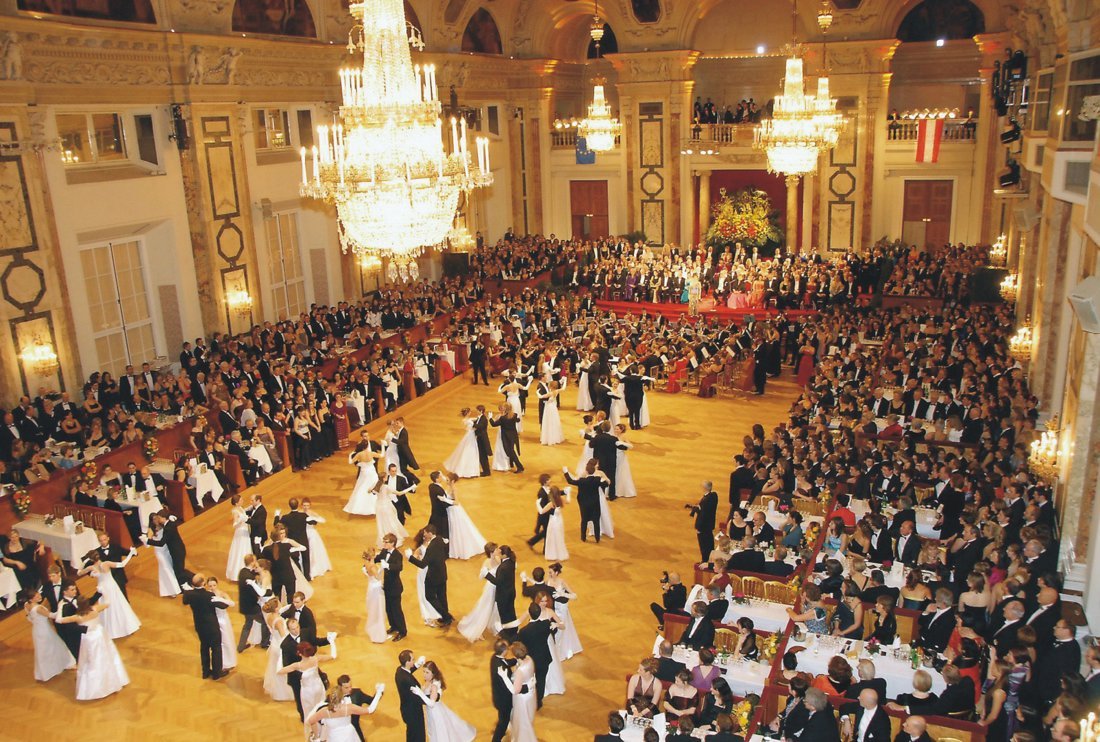
Even in an era when this still-young sport was known as competitive ballroom dancing, it enjoyed widespread success in Europe, North America, and parts of Asia. More and more experienced dancers sought the thrill of competition and public recognition for their skills. Competed by amateurs and professionals in separate leagues, the sport drew massive crowds and received significant television coverage. The first live broadcast of a tournament dates back to the early 1960s.
However, both public perception and the dancers’ own interpretation of the sport maintained a certain ambiguity regarding the classification of competitive dance compared to all other sports. Whether it was the tuxedos, evening gowns, and high heels considered incompatible with the idea of how athletes should dress, or whether dance halls stood in too stark a contrast to other sports facilities, the fact is that certain peculiarities kept competitive dance in a category of its own. Always straddling the line between the performing arts and sports, it took time to find its true identity. The fact that the various organizations overseeing dance competitions held differing views on the matter certainly didn’t help.
With the decision by the WDSF’s predecessor organization, the International Council of Amateur Dancers, to change its name to the International DanceSport Federation (and later to the World DanceSport Federation), its vision of dance as a sport—in the true sense of the word—was established, and it set itself the goal of integrating dance into the international sports movement.
By abandoning its previous policy of "splendid isolation," competitive dance quickly became part of the global sports movement.
In 1992, the WDSF became a full member of the General Association of International Sports Federations (SportAccord), an umbrella organization comprising over 100 sports federations. Shortly thereafter, DanceSport was recognized by the International Olympic Committee and thus became eligible for inclusion in the Olympic Program.
The WDSF has set ambitious goals and is fighting tenaciously for the inclusion of dance sport in future Olympic Games. Thanks to its membership in the Association of International Sports Federations recognized by the IOC, it is grouped with the governing bodies of other sports that share the same objective. When golf and rugby were voted in for inclusion in the 2016 Olympics by the 121st IOC Session, the achievement of their ambitious goal was certainly postponed for the other candidate disciplines, but it also sent a clear signal of the IOC’s commitment to periodically reviewing the Olympic Program in a serious and fair manner.
Today, DanceSport and its governing body are firmly established within the global sports community. The number of organizations and sporting events in which the WDSF and DanceSport